
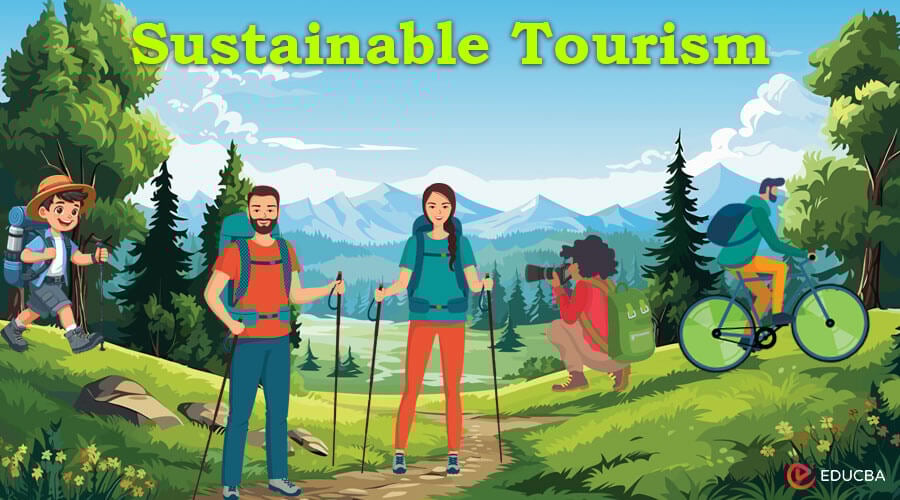
For decades, travel was about indulgence — luxury cruises, crowded landmarks, and all-you-can-see tours. But as the planet faces climate change, over-tourism, and fragile ecosystems under threat, a quiet revolution is reshaping how we explore the world.
Welcome to the era of eco-tourism — a movement that balances wanderlust with responsibility, proving that you can experience the world’s wonders without harming them.
In 2025 and beyond, sustainable travel isn’t just a trend — it’s a transformation. From jungle lodges powered by solar energy to communities that welcome visitors as partners, not consumers, eco-tourism is changing how we see the world and how the world sees us.
What Is Eco-Tourism, Really?
At its core, eco-tourism is about minimizing environmental impact while maximizing local benefit. It goes beyond recycling programs or towel reuse signs at hotels. It’s about purposeful travel — protecting biodiversity, empowering indigenous communities, and educating travelers along the way.
The International Ecotourism Society defines it as “responsible travel to natural areas that conserves the environment and improves the well-being of local people.”
In short: it’s not about escaping the world — it’s about connecting with it more deeply.
Why Eco-Tourism Matters Now
Global tourism contributes roughly 8% of total carbon emissions. Air travel, hotel energy use, and unchecked development have long strained fragile ecosystems. Meanwhile, over-tourism has turned once-pristine destinations — like Venice or Machu Picchu — into overcrowded, stressed environments struggling to sustain visitors.
But the tide is turning. Post-pandemic travelers are more conscious of their footprint, seeking authenticity over extravagance. A 2024 Booking.com survey found that 74% of travelers now prefer accommodations with sustainable practices, even if they cost more.
This new mindset signals a powerful shift: travel as stewardship.
1. Costa Rica – The Global Gold Standard
If there’s a country that defines eco-tourism success, it’s Costa Rica. Over 25% of its land is protected as national parks or reserves, and its biodiversity is staggering — from cloud forests to volcanic peaks.
Eco-lodges like Lapa Rios Lodge and Pacuare Lodge offer luxury blended with conservation. Visitors can hike through rainforests, spot scarlet macaws, and even participate in reforestation programs.
Costa Rica’s model proves that conservation can be profitable — tourism here funds schools, protects wildlife, and powers an economy built on green principles.
2. Iceland – Renewable Adventures in the Arctic Circle
Iceland has harnessed its natural power — literally. Over 85% of its energy comes from renewable geothermal and hydroelectric sources. Travelers can soak in natural hot springs, trek glaciers, or witness the Northern Lights, all while supporting one of the world’s cleanest tourism infrastructures.
Eco-conscious stays like ION Adventure Hotel near Thingvellir National Park use geothermal energy and locally sourced materials to blend comfort with conscience.
3. Kenya – Conservation Through Community
In Kenya, eco-tourism has become a lifeline for both wildlife and people. Lodges like Basecamp Explorer and Ol Pejeta Conservancy reinvest profits into anti-poaching units and local schools.
Guests can experience the majesty of the Maasai Mara while learning from Maasai guides about sustainable herding and land management. This balance between tourism and tradition has helped preserve species like rhinos and elephants while empowering local communities.
Here, every safari tells a story — not just of animals, but of coexistence.
4. Bhutan – Happiness Over Profit
Bhutan, nestled between India and China, has redefined success through Gross National Happiness instead of GDP. Its tourism policy — “high value, low impact” — limits mass tourism and prioritizes sustainability.
Visitors pay a daily sustainability fee that funds free education, healthcare, and cultural preservation. The result? Clean air, pristine mountains, and deeply respectful tourism that benefits both visitor and resident alike.
Bhutan teaches the world that the best journeys are measured not by numbers, but by meaning.
5. The Galápagos Islands – Fragile Paradise Managed with Care
The Galápagos Islands are a living laboratory of evolution — and a global test case for sustainable tourism. Strict visitor limits, licensed guides, and eco-friendly cruises ensure that the islands’ unique ecosystems remain protected.
Luxury eco-cruises like Origin by Ecoventura operate with carbon-neutral policies, while visitor fees directly support conservation. Travelers here witness nature as it once was — pure, raw, and humbling.
The Rise of Eco-Luxury
Gone are the days when “eco” meant “roughing it.” Today, eco-luxury blends comfort with conscience — bamboo villas powered by solar panels, farm-to-table gourmet dining, and wellness retreats built from sustainable materials.
Resorts like Soneva Fushi (Maldives) and The Datai Langkawi (Malaysia) are proving that you can have five-star experiences that give back to nature, not take from it.
In fact, many luxury travelers are now choosing properties with transparent sustainability metrics — from zero-waste operations to community reinvestment programs.
How Travelers Can Make a Difference
Sustainable travel doesn’t have to mean drastic sacrifice. It’s about choices. Here’s how every traveler can contribute:
- Choose eco-certified hotels — Look for Green Globe or LEED certifications.
- Support local businesses — Eat at family-run restaurants and buy local crafts.
- Offset your carbon footprint — Many airlines and NGOs offer carbon offset options.
- Travel slow — Stay longer in fewer places. Less movement means less pollution.
- Respect wildlife — Observe, don’t interact. Avoid attractions that exploit animals.
Small actions, multiplied by millions, create massive impact.
The Future of Eco-Tourism
The next wave of sustainable travel will be tech-driven and community-centered. AI is already helping predict over-tourism, blockchain is enabling transparent conservation funding, and VR experiences may soon replace certain high-impact destinations entirely.
Governments and tour operators alike are recognizing that eco-tourism isn’t just good ethics — it’s good business. A cleaner planet, richer local economies, and more meaningful travel experiences create a win-win future.
In the end, sustainable travel isn’t about doing less — it’s about doing better.
Travel That Heals the World
The rise of eco-tourism shows that wanderlust and environmental care can coexist. Each journey can leave a positive footprint — restoring forests, protecting oceans, and sustaining traditions that might otherwise fade.